
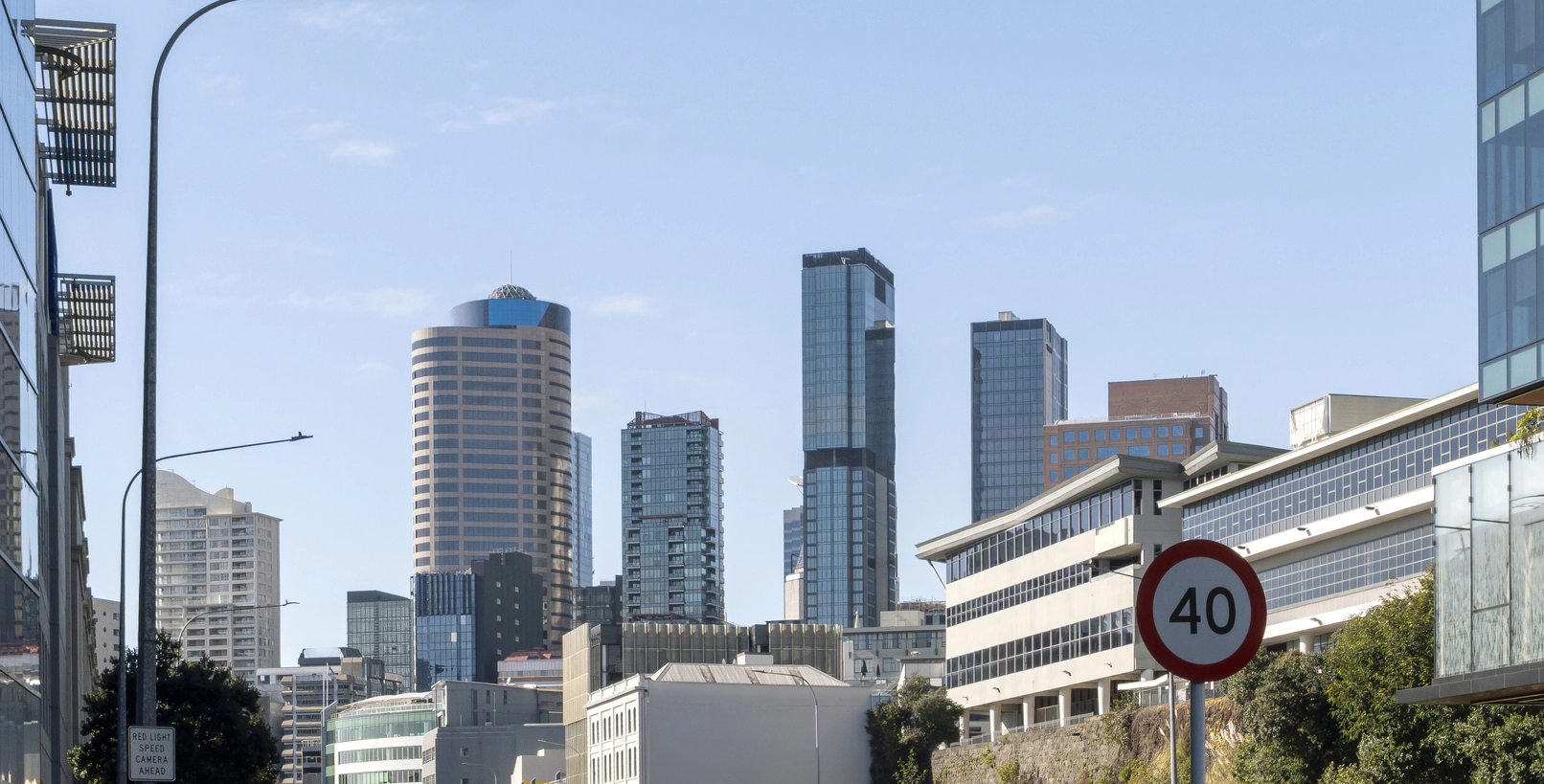
Compliance you can rely on.
Building Warrant of Fitness
We inspect and certify compliance for key systems under New Zealand’s Building Act, issuing 12A documentation for your BWOF.
Nationwide Independent Qualified Persons (IQP) testing:
- SS5 Escape route pressurisation
- SS9 Mechanical ventilation & Air Conditioning (HVAC audits and spray booth testing)
- SS11 Laboratory fume cupboards
- SS13.1 Mechanical smoke control
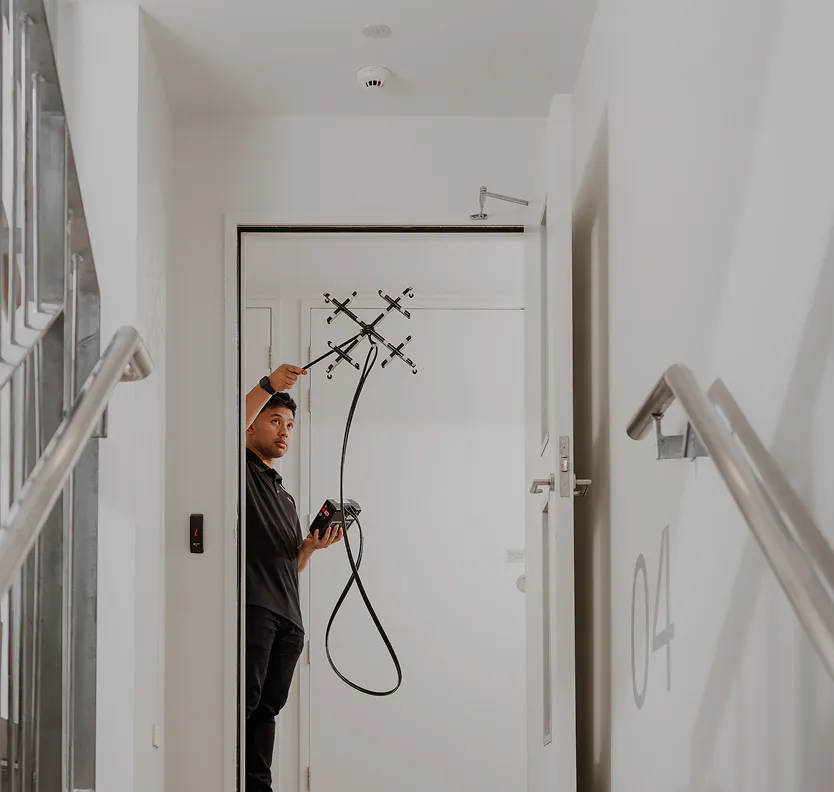
Stairwell Pressurisation
A key component of fire safety design is the pressurisation of designated escape routes, most commonly stairwells, to prevent smoke from entering during a fire. The design of these systems is complex, as pressurisation levels fluctuate when occupants enter and exit the stairwell during an emergency. To maintain effective protection, the supply fan must have sufficient capacity to overcome these pressure losses and prevent smoke ingress.
We carry out full performance testing of stairwell pressurisation systems and have Independent Qualified Persons (IQPs) who can sign off Form 12A for Escape Route Pressurisation Systems.
Lift Shaft Pressurisation
Lift Shaft Pressurisation
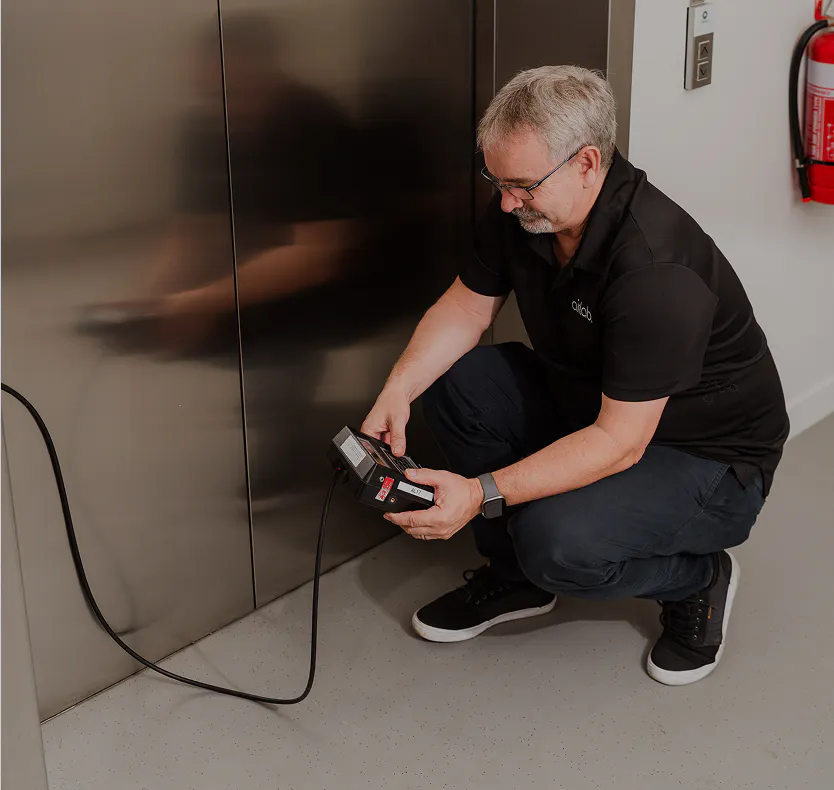
Lift shaft pressurisation is a specialised form of mechanical smoke control designed to operate during a fire event. By maintaining positive air pressure within the lift shaft, the system prevents smoke from entering and spreading between fire or smoke compartments via the shaft. This helps maintain clearer evacuation routes, limits smoke migration, and provides safer conditions for both occupants and emergency responders.
We carry out full performance testing of lift shaft pressurisation systems and have Independent Qualified Persons (IQPs) who can sign off Form 12A for Mechanical Smoke Control Systems.
Mechanical Smoke Control – Smoke Exhaust and Spill Systems
Mechanical Smoke Control – Smoke Exhaust and Spill Systems
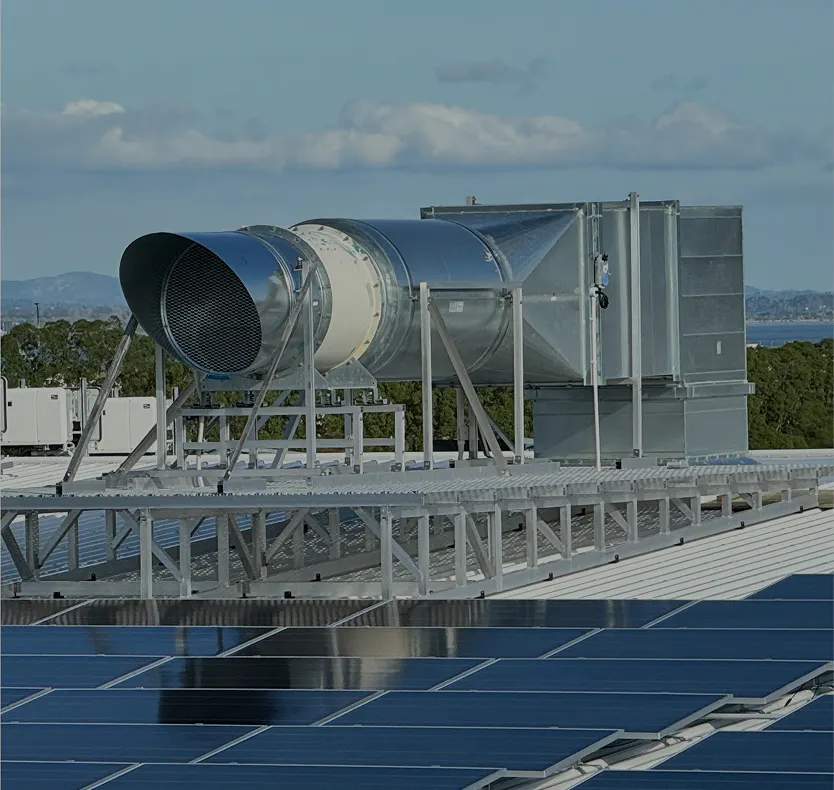
Smoke exhaust and smoke spill systems are mechanical smoke control solutions commonly used in large open spaces such as atriums. Their primary function is to remove hot smoke and fire gases during a fire, helping to maintain a tenable environment for occupants and firefighters.
By extracting smoke from upper levels and encouraging the intake of fresh air, these systems help limit smoke spread, improve visibility, and support safe evacuation and firefighting operations.
We carry out full performance testing of smoke exhaust and spill systems and have Independent Qualified Persons (IQPs) who can sign off Form 12A for Mechanical Smoke Control Systems.
HVAC Audit Services
HVAC Audit Services
This service supports HVAC contractors who manage routine maintenance but do not hold an IQP qualification. We independently review all service and inspection checklists for the mechanical plant on site to verify maintenance is being completed at the required frequency and in accordance with compliance obligations.
Our audits provide assurance that HVAC systems are being maintained correctly, transparently, and in full support of the building’s ongoing compliance requirements.
Following a successful HVAC Audit, we have Independent Qualified Persons (IQP) that can sign off 12As for SS9 – Mechanical Ventilation and Air Conditioning Systems.

Spray Booth Ventilation Systems
Spray Booth Ventilation Systems
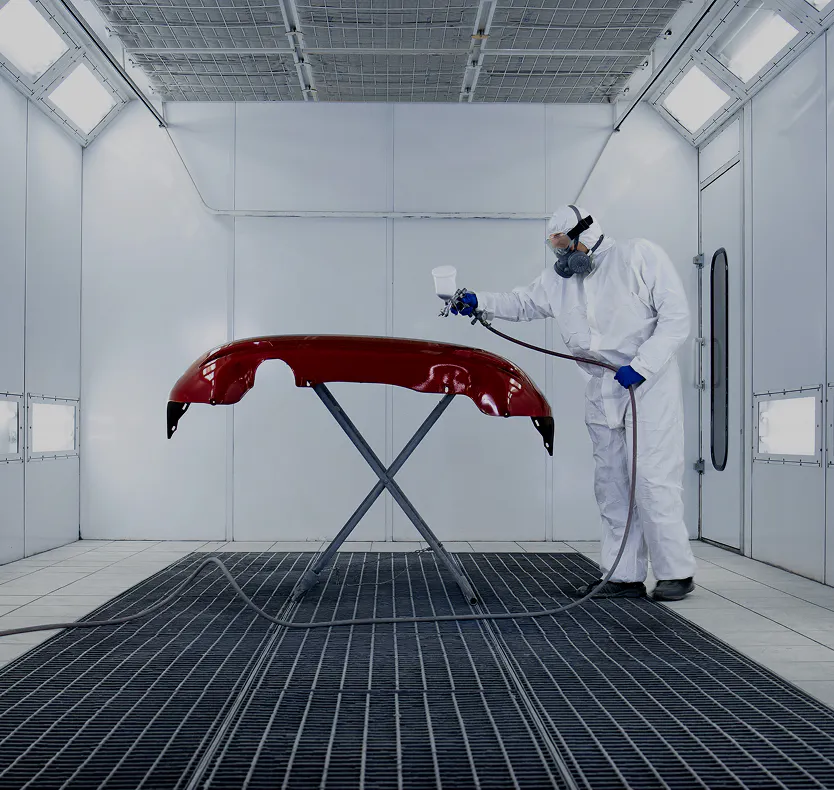
Spray booths are purpose‑built enclosures used for activities such as spray painting, coating, or finishing. They are designed to safely control overspray, fumes, and airborne contaminants. Effective ventilation is critical to protecting occupants, maintaining air quality, and reducing fire and health risks.
Where a spray booth ventilation system forms all or part of a building’s structure, it must be included on the building’s Compliance Schedule. Routine inspection and testing of spray booth ventilation systems is mandatory in accordance with AS/NZS 4114.
We carry out these inspection and testing requirements and have Independent Qualified Persons (IQPs) who can sign off Form 12A for SS9 – Mechanical Ventilation and Air Conditioning Systems.
Fume Cupboard Testing
Fume Cupboard Testing
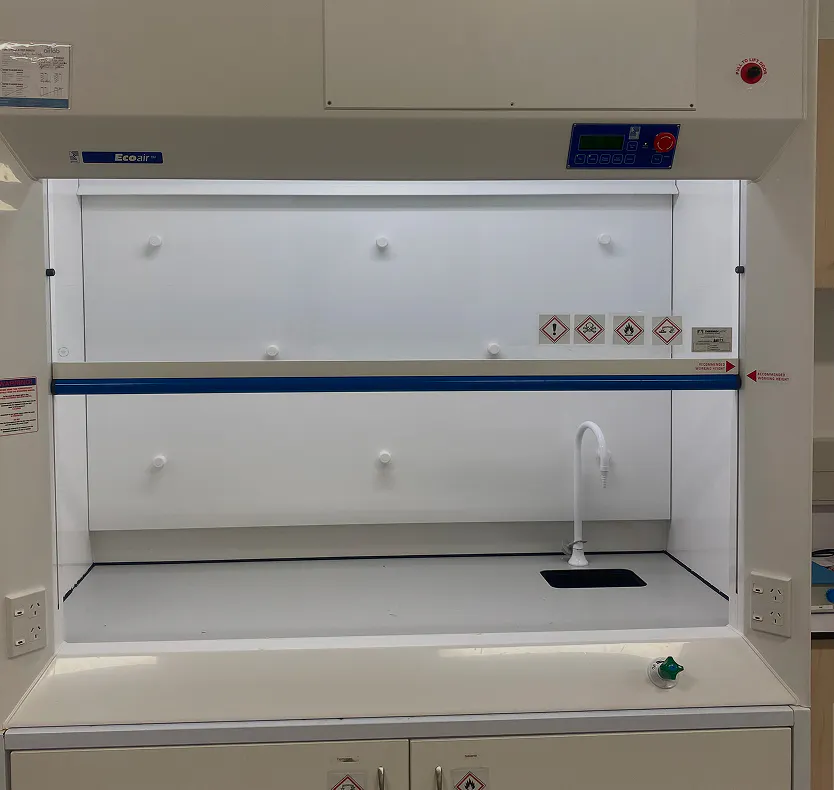
The primary reason for using a fume cupboard is to provide a safe working environment for the operator and other laboratory personnel. The fume cupboard provides mechanical means of capturing, diluting and exhausting all fumes – especially important if you are dealing with hazardous or noxious gases.
We provide the full range of testing and monitoring programmes including for Building Warrant of Fitness (BWOF).

Let’s talk
Talk to us before you commit to testing.
With years at the forefront of the industry, our depth of knowledge means we provide the technical certainty that only comes with decades of experience.

Unlocking potential
through training
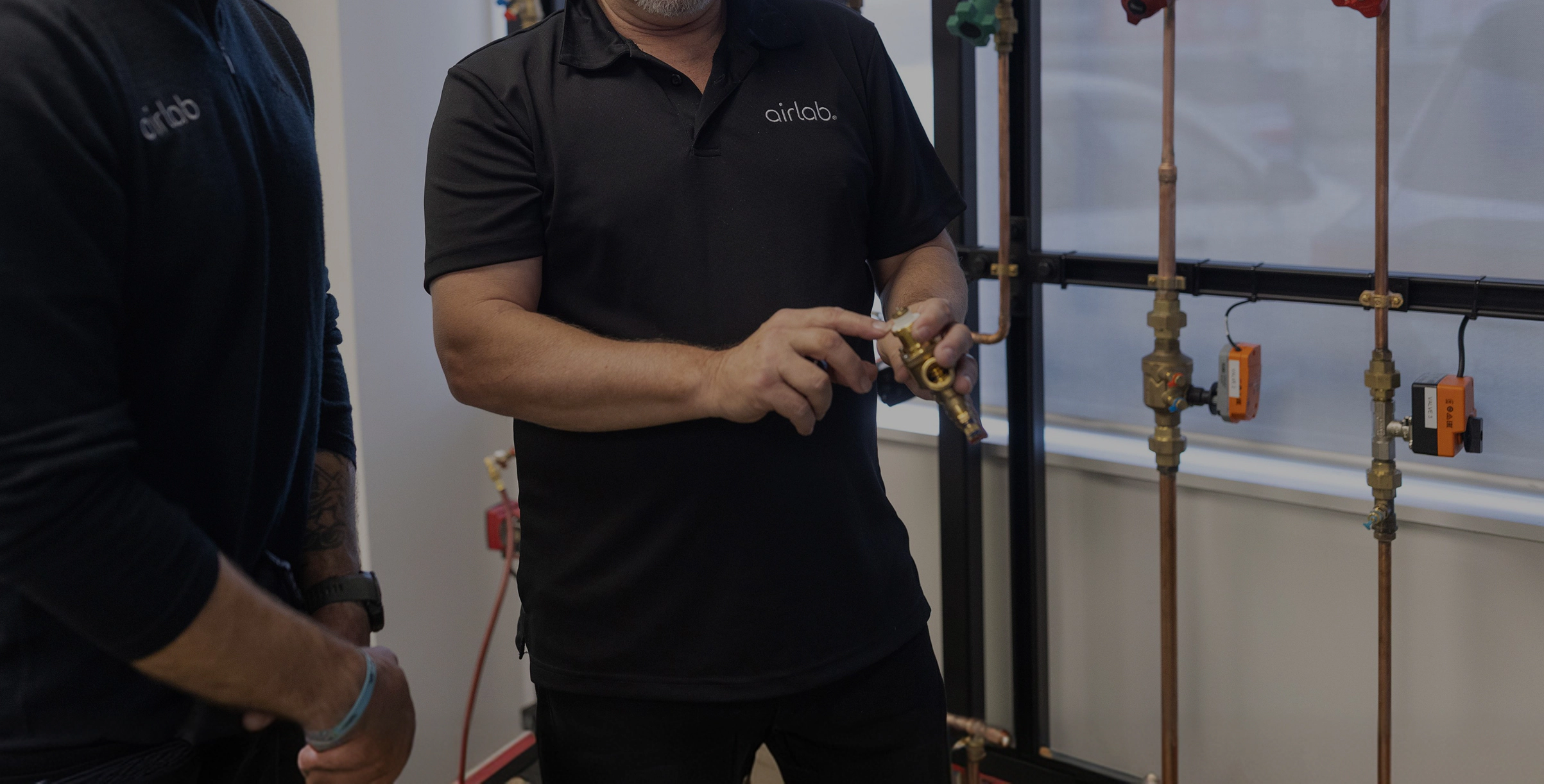
This is not about teaching commissioning — it’s about getting the install right, and understanding why it matters.